Now you can Subscribe using RSS

Submit your Email

05 July 2017

Pledge single use plastic free in July


Take part in Plastic Free July and pledge to stop using single use plastic items for one month.

 
Experts predict by 2050 there will be more plastic in the ocean than fish. That's because plastic never breaks down entirely, every piece of plastic manufactured remains in some form and continues to pollute the environment and endanger wildlife. Large plastic objects such as single use water bottles break down into microplastics which are nearly impossible to see and clean up.

I have been championing plastic free living for over 14 years. It’s a fantastic way to challenge yourself, set personal goals to reduce waste, and lessen your environmental impact. Each year, over 300 million tons of plastic is manufactured worldwide. We have produced more plastic in the first ten years of this century then we have in the whole of the last twentieth century. It is now more important than ever before for everyone to reduce their plastic use and lead the global plastic free movement during Plastic Free July.

Using reusable products and avoiding single use plastics is the easiest way to live plastic free and reduce your environmental impact. Single use plastics include any product or packaging that is used once and then discarded including shopping bags, produce bags, straws, water bottles, coffee cups and packaging.

I’m a strong advocate for Plastic Free July, but I also understand how overwhelming this challenge can be for some people. Making a dramatic lifestyle change is challenging and hard to maintain long-term, it can be easier for some people to commit to smaller changes in the beginning.

If you are starting your first Plastic Free July challenge and feel overwhelmed committing to the complete challenge, I recommend trying Plastic Free July’s Top 4 challenge to stop using one of single use plastic water bottles, shopping bags, straws or takeaway coffee cups.

You can pledge to stop using one type of disposable product this Plastic Free July. Share your pledge with friends and start the conversation. Every small action counts.

To read more about Plastic Free July visit www.plasticfreejuly.org.

To show your support and make a Plastic Free July Biome Pledge visit www.biome.com.au/plastic-free-pledge.


Related: Your war on wasteBattling Australia’s bottled water crisis; The state of Australia’s waste    


16 June 2017

Your war on waste


Did you watch ABC’s War On Waste series and feel inspired to make small positive changes to reduce your environmental footprint? Here are some quick and easy ways you can reduce your waste inspired by the topics highlighted in the War On Waste series.

Your war on waste starts here:

1. Reusable coffee cup

Reduce your disposable coffee cup waste by using a reusable coffee cup. We use approximately one billion disposable coffee cups each year, making this single use item one of the largest contributors to waste along with plastic bottles and bags. People forget that it’s not just about the waste at the end, but the precious non-renewable resources that go into making those takeaway items in the first place. Simple changes such as using a reusable coffee cup can reduce a significant amount of waste and pollution, and of course save precious resources.

2. #Banthebag

Australians are the second highest waste producers in the world, producing on average 690 kilograms of waste per person each year. Plastic bags are one of Australia’s largest environmental hazards with over 3.92 billion plastic bags used and disposed each year. Using reusable shopping and produce bags instead of plastic disposable ones will greatly reduce your contribution to landfill. Take part in influencing change to #banthebag - more details here.

3. Start a zero-waste kit

A zero-waste kit makes it easy for you to eat and drink waste-free while out-and-about. You can make up your own kit depending on the items you use most, but generally a zero-waste kits includes a reusable water bottle, cup, container, straw, cutlery and napkin. Take your zero-waste kit everywhere you go and you will never have to use single use disposable items again.

4. Reduce wardrobe waste

Wear what you have in the wardrobe and don’t give in to buying a new item of clothing just because it’s in fashion. Instead, visit your local op-shop or swap clothes with a friend. If you do need to buy brand new, buy ethically made clothing from environmentally friendly materials.

5. Reduce household waste

Australia’s dependence on landfill as a waste management system is greatly affecting the environment with waste increasing at a compound growth rate of 7.8 per cent per annum. When buying food, reduce your food miles as much as possible by purchasing direct from your local farmer. Where possible, avoid purchasing pre-packaged food and opt for buying in bulk from a local wholesaler. Reduce your use of single use plastics by using non-toxic containers to store your purchases. The recycling service offered by most local councils is a great environmentally friendly initiative that makes it easy for every household to reduce their contribution to landfill. Keep a separate bin in your kitchen for recyclables and regularly sort out your general waste from your recycling. When a valuable household item breaks, don’t discard it – fix it. Society has become accustom to throwing away items that can easily be repaired. The next time something breaks, don’t throw it away, head to your local hardware store instead. Reduce, recycle and repair!

6. Compost

Composting your food scraps not only provides you with nutrient rich fertiliser for your garden, it also helps to reduce greenhouse gas emissions produced by landfill. Plant matter requires air to decompose properly, therefore when placed in landfill among other chemically produced waste, it doesn’t decay cleanly. The dense layers trap the waste and generate an anaerobic environment which causes the plant matter to produce methane gas as it decays, harming the ozone layer with potent greenhouse gases. Instead of discarding food scraps in the general waste bin opt for a compost bin. The design of compost bins has evolved making it easy for everyone to compost their scraps. From small Bokashi Bins for units to large bins for houses, the new designs prevent smells leaching out and flies getting in making it more desirable to use a compost bin.


Start implementing these small changes into your daily routine and you will discover just how easy it is to reduce your waste.


Related: The environmental impact of plastic straws; The true environmental costs of disposable coffee cupsTop environmental documentaries to watch

31 May 2017

How to detox your home


Most of us are focused on living a healthy life whether it be exercising regularly, eating healthy foods or reducing internal toxins, however detoxing the home is an area that is commonly overlooked but can benefit your health and wellbeing greatly.

The average home contains between 500 to 1000 chemicals. From the cleaning products used weekly, to the physical walls and floors of the home, there are many toxic chemicals lurking in our possessions that surround us every day. Detoxing your home can seem overwhelming at first but if you start by making small changes, you are more likely to continue to reduce your chemical exposure over time. Changes can be as simple as swapping to natural alternatives or opening your windows more regularly to let in fresh air.

Chemical free cleaning
Cleaning is a daily household task that can significantly increase your exposure to chemicals. Most commercial cleaning products contain a concoction of harmful chemicals that are known carcinogens, skin irritants and hormone disruptors. To reduce your daily exposure to these chemicals, swap your chemical produced cleaning products to plant-based and palm oil free alternatives, or make your own.

Reducing plastic
Plastic kitchen products contain numerous toxic chemicals and when used, especially heated, can emit toxins and leach chemicals into the food or liquid contained inside. Reduce your use of plastic products in your kitchen, especially ones that contain Bisphenol A (BPA). Instead, use glass or stainless steel containers, and bamboo or wooden cooking and cleaning utensils.

Freshening the air
Reducing odours in your home is usually a top priority for every houseproud person, however commercial home fragrance products are commonly produced using a toxic concoction of synthetic fragrances. The self-regulated fragrance industry selects from over 4000 chemicals to produce their products and due to proprietary knowledge regulations, companies are not legally required to disclose the ingredients used in each product. Most of the chemicals used in this industry have previously never been tested and the ones that have been tested, are assigned a ‘safe dose’ that permits use in low quantities. This ‘safe dose’ is taken in isolation and does not account for a person’s daily exposure to other harmful chemicals. Instead of using synthetic home fragrance products, opt for 100% pure essential oils. They contain no harmful chemicals and will make your home smell fresh and inviting to any unexpected visitors. Another alternative is to regularly open your windows to refresh the air inside your home.

Creating ambiance 
Although they enhance the home’s atmosphere, most commercial scented candles contribute greatly to indoor air pollution. Most chemical produced candles are made from paraffin wax which is derived from petroleum. During the manufacturing process, the petroleum is chemically bleached and deodorised to turn it into wax. When candles containing paraffin wax are lit, they emit hazardous toxins including benzene and toluene which are both known carcinogens and comparative to the toxins in second-hand smoke. If you love the ambiance candles create, try to avoid purchasing candles that are made from chemicals and buy natural bees wax candles instead.

Detoxing your home can greatly benefit your health, the environment and save you money in the long term.

Related: Zero waste toxin free washing; Plastic free livingThe health impacts of synthetic fragrance

23 May 2017

Zero waste toxin free washing


The laundry is one area in the home that can contain many chemical produced cleaning products. From washing powder to stain remover, most commercial cleaning products used to wash clothes and household linens are usually laden with toxic chemicals including fragrance, surfactants, stabilizers, bleach, dioxane, brighteners and phosphates.

When chemical laundry detergents are used, toxins are released into the air, washed down the drain and absorbed into the fabric of the garments you wear each day. This not only impacts your health but degrades the quality of our oceans and threatens marine biodiversity. To significantly reduce your daily exposure to chemicals and reduce your impact on the environment, simply swap to a natural laundry detergent.

Soapberries are a natural, chemical free and zero waste alternative to conventional laundry detergent. Commonly referred to as ‘soap nuts’, Soapberries are the fruit produced by the Sapindus Mukorossi tree. The shell has high levels of ‘saponin’ which reduces the surface tension of the water to remove dirt and leaves fabrics soft and clean. They are hypo-allergenic, anti-bacterial, anti-fungal and odourless, making them perfect for people prone to skin sensitivities and allergies.

Soapberries can also be used as a multi-purpose liquid soap. Simply boil a few berries for fifteen minutes. The soapy water can then be used to wash hands, surfaces, hair and dishes.

The most exciting eco-friendly aspect of soapberries, is the berries can be composted or placed in the garden to decompose once you are finished using them. They are completely zero-waste.

Make a small change for your health and the environment and change the way you wash your clothes.


Related: What toxic chemicals are in your toothpaste?; Looming health hazards of synthetic chemical repellentsWhy is BPA the only concern?

18 May 2017

The state of Australia’s waste


As Australia’s population increases, our war on waste escalates as we battle with a nation that is highly driven by materialism, convenience and cost, opposed to environment, ethics and health. Our nations wasteful actions are moving us towards a dangerous future and if we don’t begin to make changes, we will carry the cost of waste forever, leading to major health, living and environmental issues.

Australia’s population is currently sitting at 24.4 million. We now produce approximately 50 million tonnes of waste annually, which equates to over 2 tonnes of waste per person. During the period of 1996 to 2015, Australia’s population increased by 28% and waste generation increased by 170%, growing at a compound growth rate of 7.8% per year.

Australia’s household consumption continues to rise with the economy. The average household bin contains approximately 60% green waste which is made up of 40% food waste and 20% garden waste. Since 2005, recycling has risen at a faster rate with Australian’s now recycling approximately 58% of all the waste we generate and the rest being disposed in landfill. However, recycling isn’t the main solution to our dramatically increasing waste issue; significantly reducing our daily waste is. 

This dramatic increase in waste generation should be viewed as a window to the future of our planet’s wellbeing. To reduce our waste, we need to start monitoring the things we discard and start asking ourselves - “is there is a waste free solution that can prevent me from producing this waste again?”

You can dramatically reduce kitchen waste by composing food scraps, buying only what you need, buying from wholefood bulk suppliers and markets, using reusable shopping bags, and putting your food in containers instead of using plastic food wrap. When out and about, pack a zero-waste kit so you don't need to rely on single use products.

We can all make a difference by being mindful of the waste we generate and making simple changes to reduce it.

Reference:

04 May 2017

Natural toxin free deodorant


Sweating is the body’s natural process of expelling toxins. When using an anti-perspirant deodorant you prevent your body from sweating and releasing toxins.

Natural deodorants allow your body to sweat but control the odour causing bacteria that forms when your body expels these toxins. They are formulated to allow your body to perspire but block the bacteria that causes odour as opposed to anti-perspirants that commonly use Aluminium to prevent perspiration. Made from plants and minerals, natural deodorants are free from ingredients commonly found in most anti-perspirant deodorants including petrochemicals, synthetic fragrances and Aluminium Chlorohydrate.

Natural deodorant formulations are actually very simple and are primarily made from coconut oil or shea butter together with bicarbonate of soda (baking soda) and essential oils for fragrance. The ingredients should be simple and easily recognisable. Avoid any ingredients that have numbers or complex chemical names.

Natural deodorants are suitable for many, though not all, people with sensitive skin as they are made from plants and minerals and are free from ingredients that commonly irritate sensitive skin.

Even natural ingredients such as certain essential oils and even coconut oil can cause reactions in some people. There is also a reasonable number of people who react negatively to bicarbonate of soda and develop a rash. Such people should look for deodorants where baking soda is further down the list of ingredients.

When you use natural deodorant for the first time, you may experience a detox period through your armpits. This is likely to occur as it’s your body’s natural process of restoring its PH and armpit health. The detox period could last up to two weeks and effects could be odour, redness or rash, but please don’t let this put you off. It’s worth persevering to switch to a non-toxic solution.

Because the ingredients are so simple, making your own deodorant is quite popular. Here is a recipe for homemade natural deodorant.


Related: Cutting chemicals out of cosmeticsThe health impacts of synthetic fragranceWhat is in your sunscreen?

24 April 2017

Plastic free living


Each year, over 300 million tons of plastic is manufactured worldwide. It is estimated by 2050 there will be more plastic than fish floating in the ocean with over 46,000 pieces polluting every square mile of the sea.

Plastic pollution is nearing crisis point. We have produced more plastic in the first ten years of this century then we have in the whole of the last twentieth century. It is now more important than ever before for all Australians to reduce their plastic use and lead the plastic free movement.

Society’s view and reliance on plastic has lead us down an environmentally destructive path. Rather than seeing plastic as a precious petrochemical resource that contaminates our environment, we see it as a convenient, affordable and disposable product. Plastic never breaks down entirely. Every piece of plastic manufactured still remains in some form and continues to pollute our environment and endanger our wildlife.

Using plastic free products and refusing single use plastics is the easiest way to live a plastic free life. Use alternative plastic free products made from glass, stainless steel, organic cotton, hemp, jute, bamboo and wood, and avoid any excess plastic packaging.

Reducing the use of plastic is not only good for the environment but your health too. Plastic is made from a concoction of chemicals and releases tons of toxic emissions during its production, transportation and disposal. Some chemicals used in plastic production are known carcinogens and hormone disruptors. By living a plastic free life, you are eliminating your exposure to numerous chemicals and reducing your impact on the environment.

Five ways to reduce your use of plastic:

1. Use reusable products
Carry around a reusable pack containing reusable cutlery, a straw, food container, drink bottle, coffee cup and bag to avoid using single use disposable plastics when out and about.

2. Use non-plastic food storage containers
Store your food in glass or stainless steel containers to avoid any toxic chemicals leaching into your food.

3. Buy in bulk
Buy your food in bulk from a wholefoods supplier and use glass or stainless steel storage jars to eliminate plastic food packaging.

4. Use beeswax or vegan food wraps
Plastic food wrap is the worst single use kitchen product. Swap this for reusable beeswax or vegan food wraps.

5. Plastic free shopping
When shopping, use reusable produce bags and shopping bags to avoid using single use plastic bags.


Related: Pledge single use plastic free in JulyThe environmental impact of plastic straws; Why is BPA the only concern?

12 April 2017

The environmental impact of plastic straws


Straws are a damaging global environmental hazard increasing by millions daily, polluting the environment and waterways and injuring wildlife.

Over 500 million straws are used daily worldwide for an average of 20 minutes before being discarded. They are an item of convenience and essentially useless but people continue to use them despite their effects on the environment.
Plastic straws are one of many types of plastic polluting our earth and harming our wildlife. From production to disposal, plastic straws consume non-renewable resources and take thousands of years to break down. These chemically produced products are non-biodegradable and when disposed photodegrades over time, causing each piece of plastic to break down into small fragments.
Straws are one of the top 10 items collected in ocean clean-ups. The environmental effects of plastics are permanent and widespread with plastic contributing to approximately 90 per cent of the rubbish floating in our oceans. Approximately 46 thousand pieces of plastic contaminate every square mile of the ocean.
To illustrate the extent of global plastic straw pollution, imagine how many straws the world’s most popular fast food chain McDonald’s would hand out daily. McDonald’s operates over 34,000 restaurants in over 118 countries and serves over 50 million people daily. If only one quarter of the 50 million people McDonald’s serves daily purchased a drink with a straw, they would contribute 4.5 billion straws annually to global waste.
To reduce your use of disposable straws, refuse one with your next order or use a reusable straw. It’s these small actions taken by individuals collectively that leads to extensive positive change.
Quick facts about plastic straws:
  1. Over 500 million plastic straws are used daily worldwide.
  2. Straws are made from natural resources including crude oil, natural gas and coal which cannot be replaced once depleted.
  3. 20 minutes is the average time a straw is used before being discarded.
  4. Straws are one of the top 10 items littering our marine environment.
  5. 90 per cent of rubbish floating in the world's oceans is plastic, primarily straws, bottles and caps.
  6. Studies estimate 1 million sea birds, 100,000 mammals and countless fish are killed every year from plastic.
  7. 6,263,319 straws and stirrers have been collects at beach clean-up events over the past 25 years.
  8. Reports indicate there will be more plastic than fish in the ocean by 2050.
Sources: choosetobestrawfree.com; weforum.org; marineconservation.org.au; cleanuptheworld.org; mcdonalds.com.au/about-maccas/maccas-story


Related: Battling Australia’s bottled water crisis;  Pledge single use plastic free in July; Your war on waste  

07 April 2017

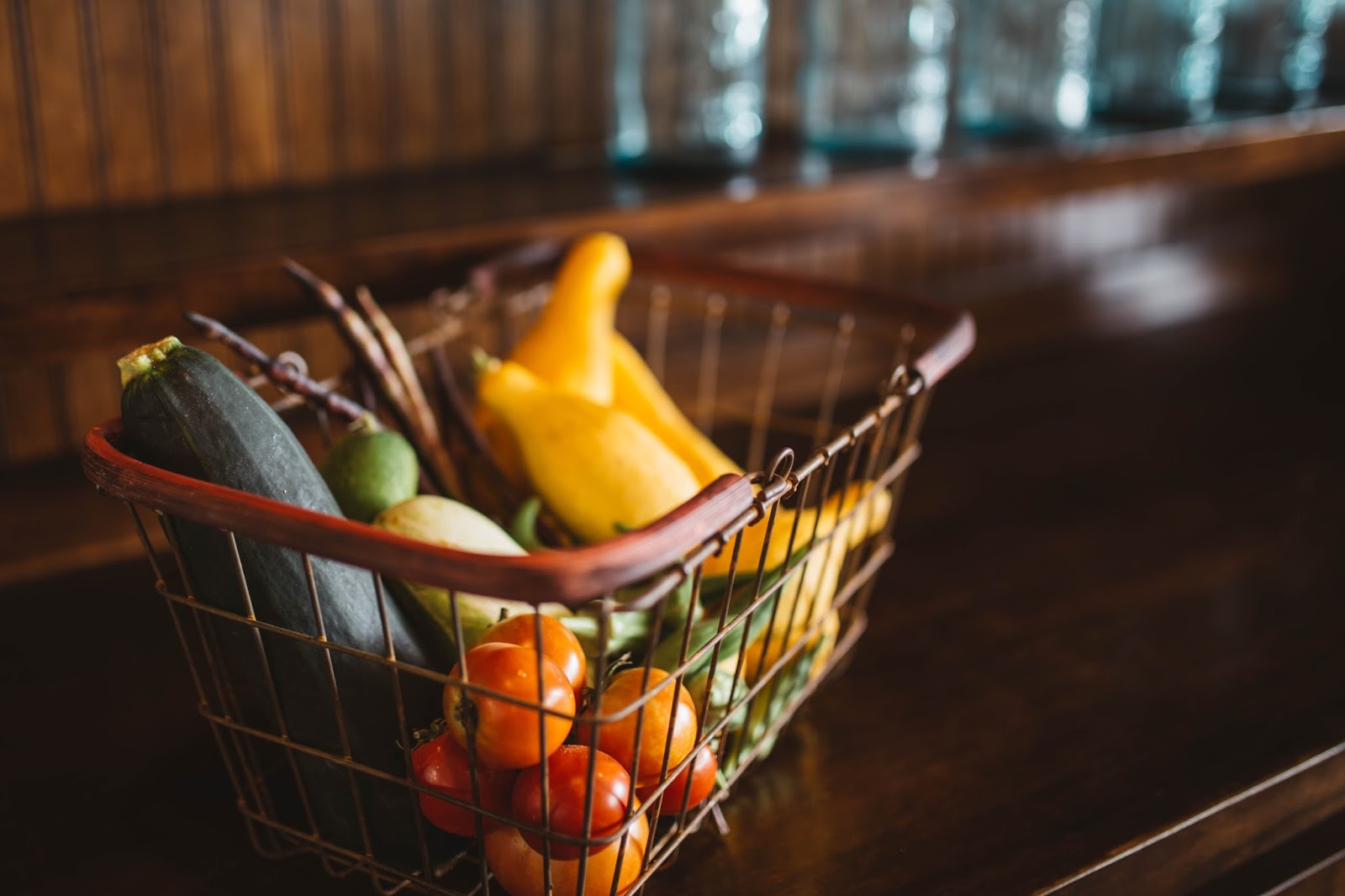
Why it is better to eat seasonally


Seasonal eating is often promoted by heath practitioners for it nutritional benefits. When produce is harvested at the peak of its season, it is full of beneficial nutrients and flavour, however there are additional benefits to seasonal eating that extend beyond the body and tastebuds.

When you eat produce that is grown locally and in season, you not only support local farmers, but reduce your environmental footprint by minimising your food miles. We are fortunate to live in an era and country where we have access to a large array of produce year-round, but what can be deceiving about this is the environmental impact of this offering. Like flowers, fruit and vegetables grow in season. Citrus fruits are at their peak in winter or cooler climates, and tropical fruits ripen in summer or in tropical climates.
When certain produce is out of season, supermarkets import them from other countries with opposing seasons to maintain their offering. The imported produce has usually been harvested earlier to ensure it doesn’t spoil and will be ripe by the time it reaches stores. The produce is placed in a shipping container and shipped to its intended destination, using countless tonnes of fuel and expelling pollution in the meantime.

Instead of eating produce that is available from supermarkets opt for purchasing produce from your local farmer’s markets or green grocer as it would have been grown locally, picked in season and have significantly less impact on the environment.

Below is a guide to help you buy produce in season. This guide may differ slightly depending on your location.

Autumn:

Fruits: avocado, apple, blackberries, banana, cumquat, custard apple, feijoa, fig, grapefruit, grapes, guava, honeydew, kiwi fruit, lemon, lime, mandarin, mango, mangosteen, nashi, orange, papaya, passionfruit, peach, pear, persimmon, plum, pomegranate, prickly pear, quince, rambutan, raspberries, rhubarb, rockmelon, strawberries, tamarillo

Vegetables: artichoke, asian greens, avocado, beans, beetroot, broccoli, brussels sprouts, cabbage, capsicum, carrot, cauliflower, celery, choko, corn, cucumber, daikon, eggplant, fennel, leek, lettuce, mushrooms, okra, onion, spring onions, parsnip, peas, potato, pumpkin, radish, shallot, silverbeet, spinach, squash, swede, sweet potato, tomato, turnip, watercress, witlof, zucchini

Winter:

Fruits: Apple, avocado, cumquat, custard apple, Feijoa, grapefruit, kiwi fruit, Lime, mandarin, nashi, orange, lemon, Pear, persimmon, pineapple, quince, Rhubarb, tamarillo, tangelo

Vegetables: asian greens, avocado, beetroot, broccoli, broccolini, broad beans, brussels sprouts, cabbage, carrot, cauliflower, celeriac, celery, Chokos, fennel, horseradish, kale, kohlrabi, leek, Lettuce, mushrooms, okra, onion, spring onion, parsnip, Peas, snow peas, potato, pumpkin, radish, shallot, Silverbeet, spinach, swede, sweet potato, turnip

Spring:

Fruits: Apple, asparagus, avocado, banana, blueberries, cantaloupe, Cherry, cumquat, grapefruit, honeydew, kiwi fruit, lemon, Lime, loquat, lychee, mandarin, mango, Mulberries, orange, papaya, pepino, pineapple, Rhubarb, strawberries, tarfruit, tangelo, watermelon

Vegetables: Artichoke, asian greens, avocado, beans, beetroot, broccoli, brussels sprouts, Cabbage, capsicum, carrot, cauliflower, celery, choko, corn, Cucumber, daikon, eggplant, fennel, leek, lettuce, mushrooms, Okra, onion, Spring onion, parsnip, peas, potato, pumpkin, Radish, shallot, silverbeet, spinach, squash, swede, sweet potato, tomato, turnip, watercress, witlof, zucchini

Summer:

Fruits: Apple, apricot, banana, blackberries, blueberries, boysenberries, Cantaloupe, cherries, currants, fig, grapefruit, Grapes, honeydew, lemon, loganberries, lychee, Mango, mulberries, nectarine, orange, passionfruit, Peach, pear, plum, pineapple, rambutan, Raspberries, rhubarb, strawberries, tamarillo, watermelon

Vegetables: Asparagus, avocado, beans, beetroot, cabbage, Capsicum, carrot, celery, corn, cucumber, Daikon, eggplant, leek, lettuce, okra, Onion, spring onion, peas, snow peas, sugar snap peas, Potato, radish, shallot, silverbeet, squash, Tomato, watercress, zucchini, zucchini flower


Related: Because native bees matter; The health impacts of synthetic fragrance; Plastic free living

30 March 2017

The health impacts of synthetic fragrance


Synthetic fragrance is now infused in the most basic household products used daily, from toothpaste and cosmetics to washing powder and bin liners. Society is suffering with the excessive use of synthetic fragrance and its effects on people with sensitivities are beginning to show. Research completed by Professor Anne Steinemann from the University of Melbourne has revealed one third of Australians experience health problems when exposed to fragrance including migraines, dizziness, nausea, skin irritation, asthma attacks and seizures.

Initially derived from flowers and used sparingly, fragrance is now chemically produced to make it more cost effective than natural versions. Over 4000 chemicals are available for the self-regulated fragrance industry to use in the production of their products, and due to proprietary knowledge regulations, the industry is not legally required to reveal the specific ingredients used in each product. Most of the chemicals used in the fragrance industry have previously never been tested for their health effects and the ones that have been tested are allocated a safe dose due to low usage levels, however this does not account for the thousands of other chemicals a person is exposed to throughout the day.

Due to the health impacts of synthetic fragrance, it is likely in the coming years fragrance in the workplace will follow the same trajectory as smoking. The study found 7.7 per cent of Australians leave work for the day or resign, and 16.7 per cent leave a shop due to illness from fragranced product exposure.

While there aren’t any laws enforcing fragrance-free workplaces in Australia, there are precautions you can take to reduce your daily exposure to these chemicals. Purchasing fragrance-free products will significantly reduce your exposure. If you are affected by fragrance within your workplace, address your concerns with management and discuss options about enforcing a fragrance-free policy within the office. To learn more about the research into the science of scent, read Kate Grenville's book The Case Against Fragrance. This insightful and thought provoking book uncovers the truth about the production of synthetic fragrance and its heath impacts on society.


Related: Cutting chemicals out of cosmeticsWhat toxic chemicals are in your toothpaste?; Why is BPA the only concern?
 

Coprights @ 2016, Blogger Templates Designed By Templateism | Templatelib